The hospitality industry thrives on creating immersive experiences. Every element — from décor and lighting to sound and service — shapes how guests feel and interact within a space. Among these design tools, hotel neon signs have re-emerged as a leading medium for shaping ambience and delivering memorable brand impressions.
Across bars, restaurants, and hotels, neon signage is being used to tell stories, evoke emotions, and set the tone for guest experiences. It’s no longer just about displaying a logo; it’s about lighting up a brand personality. From warm, glowing cursive signs in boutique hotels to vibrant neon walls in trendy cocktail bars, the right neon design blends visual artistry with strategic marketing impact.
In this blog, we explore the evolving role of neon signage in the hospitality industry, breaking down how it enhances mood, reinforces branding, and captivates customers. Whether you’re managing a luxury hotel, a lively bar, or a contemporary dining space, you’ll discover how hotel neon signs can transform your environment from ordinary to extraordinary.
The Role of Lighting in Hospitality Design
Lighting plays a fundamental role in setting the tone and atmosphere of any hospitality space. In bars, restaurants, and hotels, it goes beyond functionality — it becomes a storytelling tool. The right lighting design can influence customer perceptions, emotions, and even behaviour. Soft, warm lights invite comfort and intimacy; bright, dynamic lights suggest excitement and energy.
Within this context, hotel neon signs have emerged as a powerful means to balance practicality with personality. Neon lighting serves dual purposes — it illuminates and it communicates. A glowing neon word or symbol becomes an architectural element that guides attention while expressing identity. Unlike traditional lighting, neon signs add character, helping businesses stand out while maintaining a cohesive interior design language.
For hospitality professionals, understanding the psychology of lighting is crucial. Guests instinctively respond to visual cues — the golden glow of a neon “Welcome” at the entrance of a boutique hotel can trigger feelings of warmth and inclusion, while a vivid neon bar sign creates anticipation and excitement. Strategic use of lighting ensures that every illuminated element contributes to the overall brand story.
Why Neon Signage Works for Bars, Restaurants, and Hotels
Neon signage has long been associated with nightlife, entertainment, and sophistication — making it an ideal choice for hospitality environments. The luminous glow, visual impact, and nostalgic charm of hotel neon signs create an instant connection with guests. In a sector where first impressions are everything, neon delivers both memorability and atmosphere.
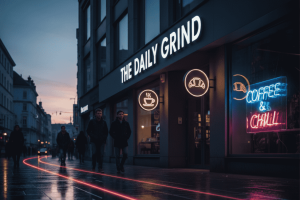
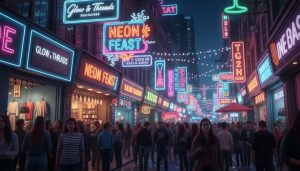
For bars, neon signs are almost iconic. They set the tone for an evening of social connection and energy. Whether placed behind the counter, above the entrance, or integrated into interior walls, neon instantly establishes a sense of place. Restaurants use neon to add flair to their interiors, highlight brand messaging, or distinguish themed dining zones. For example, a modern bistro might use minimalist white neon text, while a retro diner opts for bold, colourful letters that evoke the 1950s.
Hotels, too, benefit immensely from neon signage. A bespoke neon logo at the reception, directional neon lighting in corridors, or ambient installations in lounges can turn ordinary spaces into immersive experiences. The flexibility of neon — in colour, shape, and design — allows hotel owners to express brand identity in ways conventional signage cannot.
Moreover, neon appeals to modern audiences who value design-driven experiences. Guests are more likely to share visually captivating environments online, making neon signage a natural ally in digital marketing and brand visibility.
Design Principles for Effective Neon Signage in Hospitality Spaces
Creating memorable hotel neon signs goes beyond simply installing glowing tubes of light. Effective design requires strategy, storytelling, and sensitivity to the space’s mood and purpose. Whether you’re designing for a luxury hotel, a bustling restaurant, or a lively cocktail bar, understanding how neon interacts with architecture, colour, and brand identity is essential.
1. Alignment with Brand Identity
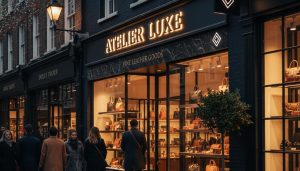
The first rule of effective neon design is brand consistency. Every font, colour, and phrase should reflect the tone of your establishment. For instance, a boutique hotel known for understated luxury might choose elegant cursive text in warm white neon, while a trendy rooftop bar could opt for vibrant pinks or blues to create an energetic, youthful vibe.
2. Strategic Placement and Visibility
Where you position your neon sign determines how effectively it draws attention. Exterior neon should be visible from afar and positioned at eye level or slightly above for maximum legibility. Inside, neon installations work best when they serve a purpose — marking key areas like reception desks, entrances, or feature walls.
3. Contrast and Lighting Balance
Lighting balance is crucial. Neon should enhance, not overwhelm, your space’s ambience. When combined with subtle background lighting, neon can provide the perfect accent without causing glare or visual fatigue. In restaurants, softer neon hues can make dining areas more intimate, while brighter tones energise bars or social spaces.
4. Typography and Readability
Your neon message should be instantly recognisable. Overly ornate fonts or intricate shapes can reduce readability, especially from a distance. Sans-serif or script fonts with clear line spacing tend to perform best in hospitality settings.
5. Integrating Neon with Other Design Elements
To achieve a cohesive aesthetic, neon signage should blend with the materials and textures in your space — think neon text on exposed brick, metallic backgrounds, or wooden feature walls. Combining neon with mirrors or glass can amplify its glow, adding depth and sophistication to interiors.
These design choices not only influence customer perception but also play a role in shaping guest emotions — which is at the heart of signage psychology. In the hospitality industry, where every detail contributes to the customer experience, well-thought-out neon signage can define how guests feel, remember, and talk about your space.
The Psychology Behind Neon Lighting in Hospitality
When designing hotel neon signs, one must consider not just the look, but the emotional impact that colour, brightness, and placement have on guests. Neon isn’t just decoration — it’s a psychological tool that affects how people perceive your brand, interact within your space, and even how long they stay.
The Emotional Power of Colour
Each colour of neon light triggers a specific emotional response.
- Warm tones such as orange, red, and yellow evoke excitement, passion, and appetite — ideal for restaurants and lively bars.
- Cool tones like blue, purple, and green create calmness and sophistication, perfect for hotel lounges and reception areas.
- White and soft pink tones often convey elegance and purity, suitable for high-end establishments seeking minimalist design.
By carefully selecting neon colours, hospitality businesses can create atmospheres that influence customer behaviour, making spaces more memorable and welcoming.
Creating a Sense of Belonging and Experience
People don’t just visit hotels or restaurants for food or accommodation — they come for experiences. Neon signage creates a visual identity that becomes part of the customer’s memory. Think of the glowing “Open Late” sign at a bar or the softly lit hotel logo that welcomes guests after dark. These moments evoke warmth, comfort, and recognition — all crucial in fostering brand loyalty.
Encouraging Social Sharing and Brand Exposure
In today’s digital age, neon signage doubles as a social media asset. A well-designed sign becomes an Instagram-worthy backdrop, encouraging guests to capture and share their experience online. This organic exposure can significantly increase brand visibility without heavy advertising investment.
For example, many boutique hotels and independent restaurants now design neon statements or brand slogans specifically for photo opportunities. This strategy not only enhances guest engagement but also drives online visibility and reputation.
Lighting and Behavioural Influence
Studies in signage psychology show that lighting affects dwell time and purchasing behaviour. Brighter neon lights near entrances can attract foot traffic, while softer tones encourage guests to relax and stay longer. In bars, neon elements can subtly direct movement — leading customers towards ordering points or highlighting specific menu areas.
Understanding these psychological principles ensures that hotel neon signs are not just aesthetic choices but functional tools that shape customer experiences and influence business outcomes.
Applications of Neon Signage in Hotels, Restaurants, and Bars
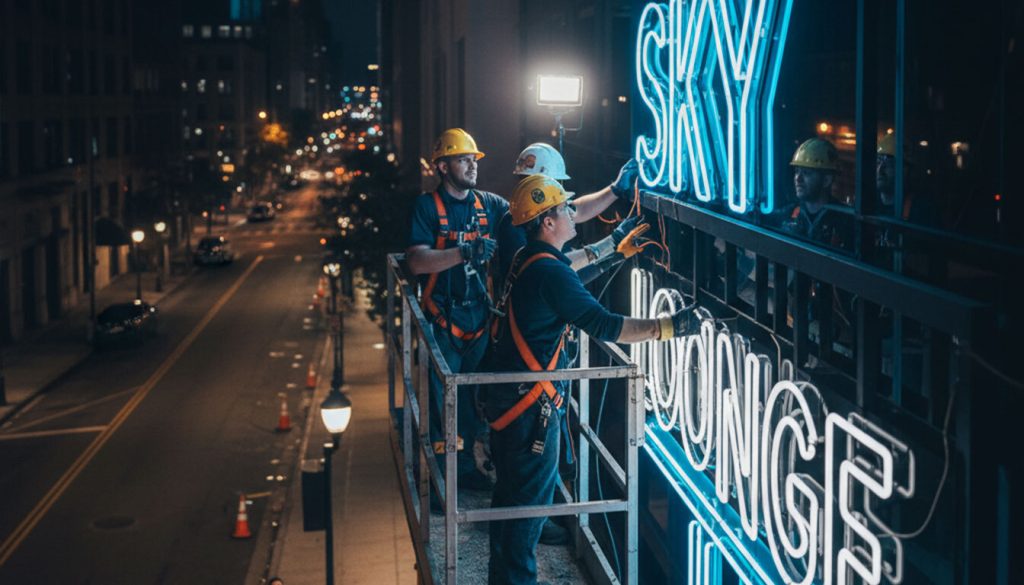
The versatility of hotel neon signs allows them to fit seamlessly across different sectors within hospitality — from intimate cocktail lounges to luxury hotels. Each setting offers unique opportunities to use neon creatively while reinforcing the brand identity and guest experience.
1. Neon in Hotels: Welcoming Guests with Warmth and Style
In hotels, neon signage has evolved beyond traditional exterior signs. Today, it is used as part of an immersive design strategy to build comfort, sophistication, and recognition.
- Reception Areas: Soft, elegant neon lighting near the reception or lounge area sets a calming mood and reinforces a brand’s hospitality.
- Room Numbers & Directional Signs: Subtle neon-lit room identifiers or hallway signs not only guide guests but also add aesthetic charm.
- Hotel Bars & Rooftop Lounges: These spaces often employ vibrant neon hues to create a relaxed yet exciting social environment.
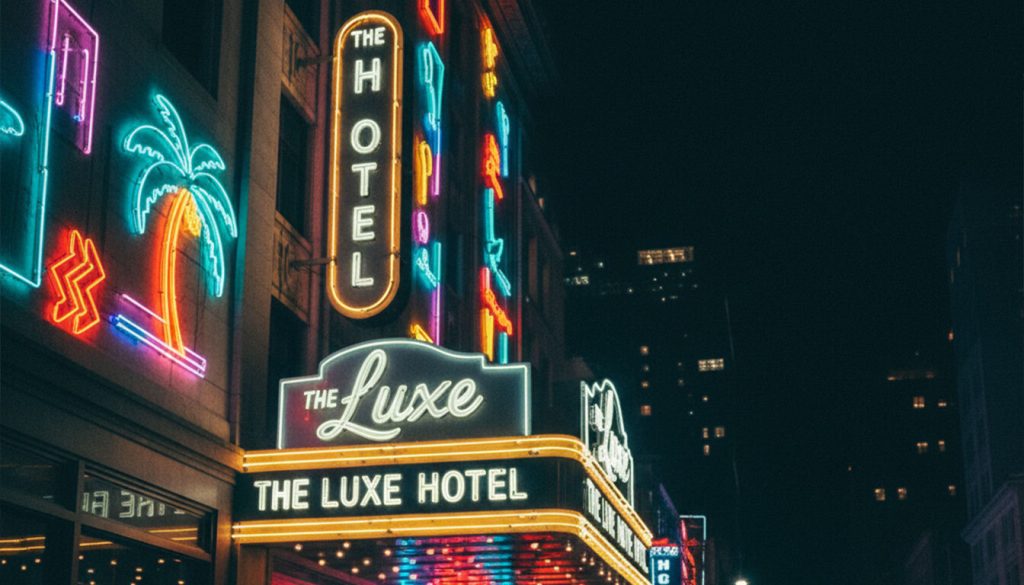
A signature hotel neon sign at the entrance or rooftop can become a city landmark — a visual identity that guests remember and associate with their stay.
2. Neon in Restaurants: Setting the Mood for Dining
Restaurants use neon to stimulate appetite, define themes, and enhance the overall ambience. A well-designed neon layout complements interior décor and creates a dining experience that resonates emotionally with guests.
- Brand Logos & Menu Highlights: Displaying the restaurant’s name or key dishes in neon draws customer attention immediately.
- Mood Lighting: Warm neon tones around dining booths or open kitchens generate intimacy and energy.
- Thematic Signage: Restaurants with cultural or nostalgic themes can use vintage-style neon to build authenticity and storytelling through light.
Strategically placed neon lighting can turn an ordinary meal into a multisensory experience, encouraging guests to linger longer — a proven factor in boosting customer satisfaction and sales.
3. Neon in Bars: Defining Energy and Identity
Bars have long embraced neon as part of their identity. From classic pubs to modern cocktail lounges, neon lights define the tone of social interaction.
- Entrance Signs: A striking hotel neon sign or bar neon logo outside immediately conveys the bar’s vibe — energetic, chilled, or exclusive.
- Custom Quotes and Artwork: Bars often use bold neon statements or quotes to create memorable photo spots, promoting organic social media exposure.
- Lighting Zones: Colour zoning using neon allows bars to divide spaces — bright and lively near the counter, mellow and intimate in seating areas.
Neon signage helps bars project personality, attract the right clientele, and make every night feel like an event.
4. Beyond Aesthetics: Functionality Meets Design
Modern hotel neon signs combine aesthetics with function. For instance, neon wayfinding lights make navigation easier in large venues without breaking the design continuity. Similarly, emergency exits or restrooms can be integrated creatively into the neon design language.
The balance between creativity and practicality ensures that neon signage complements operational efficiency while elevating the guest experience.
Design Principles for Effective Neon Signage in Hospitality
Creating successful hotel neon signs isn’t simply about brightness or colour — it’s about designing with purpose. The most effective signage considers human psychology, spatial design, and brand storytelling to create visual harmony that enhances the guest experience.
Alignment with Brand Identity
The design of a neon sign must first and foremost align with the establishment’s identity.
A luxury hotel, for instance, might use minimalist typography in soft gold or warm white to express refinement. In contrast, a lively cocktail bar might favour bold, vibrant colours like pink, blue, or red to capture energy and excitement.
Every element — colour, typography, placement — should mirror the brand’s personality, ensuring that your hotel neon signs communicate a consistent message across all touchpoints.
Colour Psychology and Mood Setting
Colour plays a crucial role in how customers perceive and react to a space.
For hospitality venues, this principle becomes central in creating memorable experiences:
- Warm colours (red, orange, yellow): Stimulate appetite and encourage social interaction — ideal for restaurants and lively bars.
- Cool colours (blue, green): Convey calm and sophistication — perfect for hotel lounges and spas.
- Neutral tones (white, gold): Offer timeless elegance, making them suitable for luxury hotels or formal dining spaces.
Understanding the emotional response to colour ensures that every hotel neon sign contributes positively to the guest experience.
Placement and Visibility
Strategic placement determines how effectively signage captures attention.
A well-positioned neon sign should be visible without overwhelming the visual flow of the room.
For example:
- Exterior neon should be mounted at eye level or slightly above to attract passing pedestrians.
- Interior neon should complement key focal points like reception desks, bar counters, or seating zones.
Thoughtful positioning ensures the hotel neon signs act as both aesthetic highlights and functional design elements.
Balancing Light Intensity
Overly bright neon can create discomfort, while dim lighting might reduce visibility. The best signage achieves equilibrium — soft enough to be welcoming, bright enough to guide.
Hospitality lighting design should always consider human comfort. Using dimmers or smart LED systems allows flexibility to adjust brightness based on time of day or event type, ensuring ambience remains balanced and appealing.
Integrating Modern Technology
Advancements in LED neon technology have transformed signage possibilities. Unlike traditional glass neon, LED-based systems are energy-efficient, customisable, and safer to install indoors.
Smart control systems allow users to adjust colour, brightness, and even animation remotely. For hotels and restaurants aiming to reduce energy costs and carbon footprint, this evolution offers an ideal combination of creativity and sustainability.
Typography and Readability
The typography of neon signage should enhance clarity without sacrificing style.
Fonts that are too complex or cursive may look beautiful but can be difficult to read from a distance. Simpler, bold typefaces ensure that brand names and messages are easily recognisable, even under different lighting conditions.
Typography defines how customers engage with your hotel neon signs — it should invite, not confuse.
Maintenance and Durability
Even the most stunning sign can lose its impact if poorly maintained.
Hotels, restaurants, and bars should schedule periodic cleaning and inspection to ensure neon signs remain vibrant and fully functional.
Durable, weather-resistant materials should be used for outdoor signage to withstand environmental changes. Investing in quality installation prevents flickering or dimming, ensuring a consistently impressive appearance.
Trends Shaping the Future of Neon Signage in Hospitality
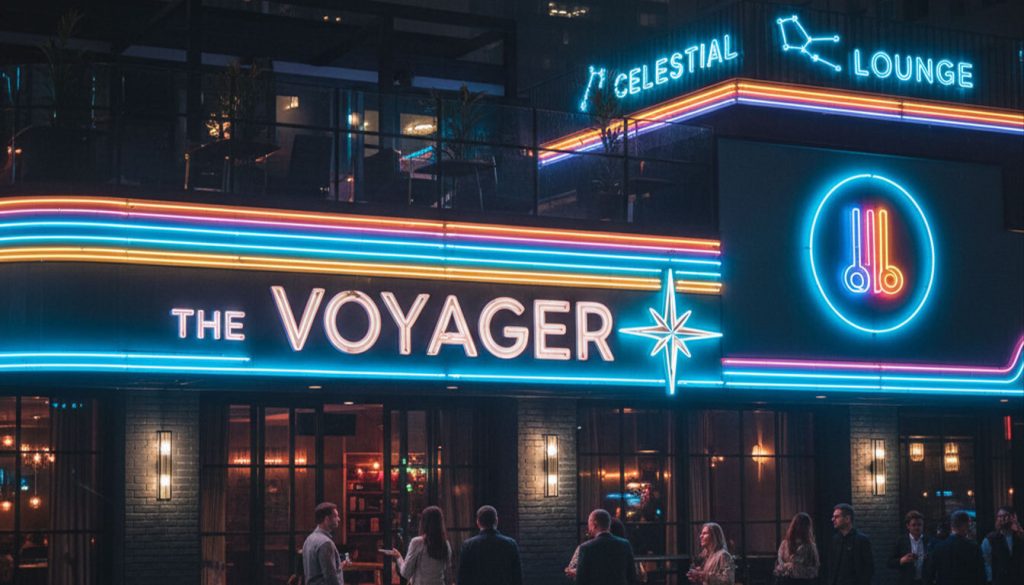
As the hospitality industry continues to evolve in 2025 and beyond, hotel neon signs have adapted to changing design preferences, sustainability standards, and technological innovations. These modern trends demonstrate how neon signage has become more than decoration — it’s a critical component of storytelling, brand immersion, and guest engagement.
1. The Rise of Sustainable Neon and LED Alternatives
Sustainability is no longer optional — it’s a design imperative.
Traditional glass neon, while iconic, consumes more energy and requires gases such as argon or neon. The rise of LED neon flex has completely changed the game. LED neon replicates the visual glow of glass while using less electricity, lasting longer, and producing minimal heat.
For hotels and restaurants aiming to achieve energy efficiency targets, LED neon presents an eco-friendly and cost-effective option. These signs also allow dynamic control systems that can adjust colour, brightness, and timing to reduce energy waste.
2. Integration with Smart Technology
Smart control integration is revolutionising how hospitality venues use signage.
From remote operation to app-based control, businesses can now adapt their hotel neon signs to match different moods or events — for example, dimming signs during a romantic dinner service or brightening them during a live DJ night.
Some high-end hotels are even incorporating programmable neon displays capable of syncing with music, motion sensors, or time-based automation — creating immersive experiences that leave guests amazed.
3. Minimalist and Artistic Design Approaches
Modern design trends are shifting toward simplicity and elegance.
Rather than using overly complex signage, hospitality brands are embracing minimalist neon art — geometric patterns, single-line typography, and ambient glow installations that act as visual art pieces.
This trend aligns with contemporary interior design, where hotel neon signs serve both as illumination and branding without cluttering visual space. The aim is to inspire emotion and connection through simplicity.
4. Personalised Guest Experiences through Custom Neon
Customisation has become a key differentiator for luxury hospitality brands.
Hotels increasingly use bespoke neon messages to celebrate guest milestones — such as “Happy Anniversary” signs in suites or “Welcome to Paradise” signs in honeymoon villas. These personalised touches create shareable moments that enhance brand reputation and customer loyalty.
Restaurants and bars are following suit, incorporating dynamic neon designs that can be modified for themed events, seasonal décor, or corporate functions.
5. Interactive and Immersive Neon Spaces
The new wave of hospitality design focuses on interaction.
Many modern venues are creating “Instagrammable” spaces — immersive neon zones where guests can take photos, share content, and amplify the brand online.
These interactive zones not only strengthen brand awareness but also serve as organic marketing tools. A single well-designed hotel neon sign can generate countless social media impressions and drive new footfall.
To maximize visibility after dark, especially in high-traffic areas, LED signage plays a crucial role. Explore how it transforms nighttime engagement in our blog Night Market Signage: How LED Signage Can Help Boost Night-Time Visibility.
6. Blending Neon with Architectural Elements
A major trend emerging in boutique hotels and high-end restaurants is architectural integration. Instead of mounting neon signs as separate entities, designers are blending them seamlessly into ceilings, walls, and furniture.
For example, a glowing contour following the edge of a reception desk or a neon-lit wall feature in a hotel corridor can create depth and continuity. This approach ensures neon signage complements rather than competes with interior architecture.
7. Revival of Vintage and Retro Styles
Retro never truly goes out of style.
Many hospitality brands are reviving vintage aesthetics to evoke nostalgia and warmth. Think of classic script fonts, warm amber tones, and retro motifs reminiscent of mid-century diner culture.
Such designs tap into the timeless emotional connection that neon has always carried, reminding guests of simpler, more charming times — a key aspect of effective signage psychology and customer appeal.
How to Choose the Right Neon Signage Partner for Your Hospitality Business
Selecting the right signage partner is just as critical as the design itself. Whether you’re opening a new bar, renovating a restaurant, or modernising hotel interiors, your hotel neon signs must be crafted and installed with precision, creativity, and long-term durability in mind.
Here’s what you should consider when choosing a signage partner in the hospitality industry:
Proven Experience in Hospitality Branding
Work with a company that understands the unique design, lighting, and branding demands of hospitality environments. An experienced provider like Msigns has expertise in creating signage solutions that align with the atmosphere, functionality, and aesthetics of hotels, bars, and restaurants.
A seasoned signage expert knows how to balance design elegance with compliance — ensuring your neon installations meet safety, energy, and visual standards without compromising creativity.
Custom Design Capabilities
Your signage should be as unique as your brand. Choose a signage partner that offers bespoke design services — from concept sketches to digital renderings and material selection.
At Msigns, our design specialists collaborate closely with clients to translate brand identity into captivating hotel neon signs that elevate ambience, attract guests, and enhance brand memorability.
Custom neon allows your venue to stand out while maintaining brand consistency across all visual elements.
Use of Modern and Sustainable Materials
Eco-conscious hospitality brands should look for signage providers that prioritise sustainability. LED neon, recycled acrylics, and energy-efficient drivers are essential for reducing carbon impact and long-term maintenance costs.
By working with a supplier committed to using durable, sustainable materials, hotels and restaurants can lower energy bills while maintaining exceptional visual quality and compliance with environmental standards.
End-to-End Project Management
From consultation to installation, your signage partner should handle the entire process seamlessly. Reliable providers offer site surveys, design consultations, fabrication, installation, and post-installation support — ensuring every stage is handled with precision and professionalism.
At Msigns, we offer a fully managed service that gives clients complete peace of mind. Whether it’s a single hotel neon sign or a full hospitality rebrand, we ensure quality, consistency, and timely delivery.
Compliance and Safety Standards
Neon and LED signs, especially for hospitality use, must adhere to strict safety regulations, including electrical and fire safety standards. Your signage provider should be knowledgeable about UK compliance requirements to ensure every installation is both safe and certified.
Msigns follows stringent quality control measures, ensuring that every neon project meets British Standards (BS7671) for electrical safety and durability, guaranteeing that your signage remains reliable for years to come.
Aftercare and Maintenance Support
Neon signs require regular maintenance to maintain their brightness and visual appeal. A trusted signage partner will offer aftercare packages, ensuring your lights stay vibrant, efficient, and fault-free.
Msigns offers ongoing support, from cleaning and inspection to replacements and repairs, ensuring that your hotel neon signs continue to make a powerful impression every single day.
Partnering with Msigns: Bringing Hospitality Spaces to Life
Every hospitality venue deserves signage that doesn’t just illuminate but inspires. At Msigns, we specialise in designing, manufacturing, and installing hotel neon signs that bring character, warmth, and identity to interior and exterior spaces.
From small boutique restaurants to luxury hotel chains, our approach is always rooted in craftsmanship, creativity, and consultation. We understand that each client’s goals are unique — some seek bold, eye-catching statements, while others prefer understated elegance. That’s why our process begins with understanding your brand story, audience, and architectural environment before translating these insights into powerful signage concepts.
Our design team uses state-of-the-art LED neon technology, ensuring your signs combine timeless style with energy efficiency and durability. Whether you’re transforming a hotel lobby, adding ambience to a cocktail bar, or refreshing your restaurant’s brand identity, Msigns provides bespoke solutions tailored to your aesthetic and operational needs.
Our Complete Hospitality Neon Service Includes:
- Consultation & Concept Development: We collaborate with you to design signage aligned with your brand’s character and guest experience goals.
- 3D Visualisation & Prototyping: Get a realistic preview of your signage before production begins.
- Fabrication & Materials: Premium-grade LED neon tubing and recyclable materials for lasting performance.
- Installation & Aftercare: Professional setup, maintenance, and energy-efficient lighting guidance.