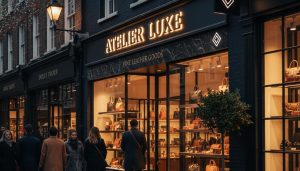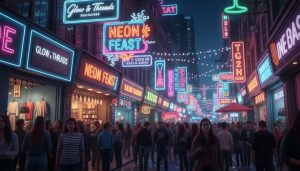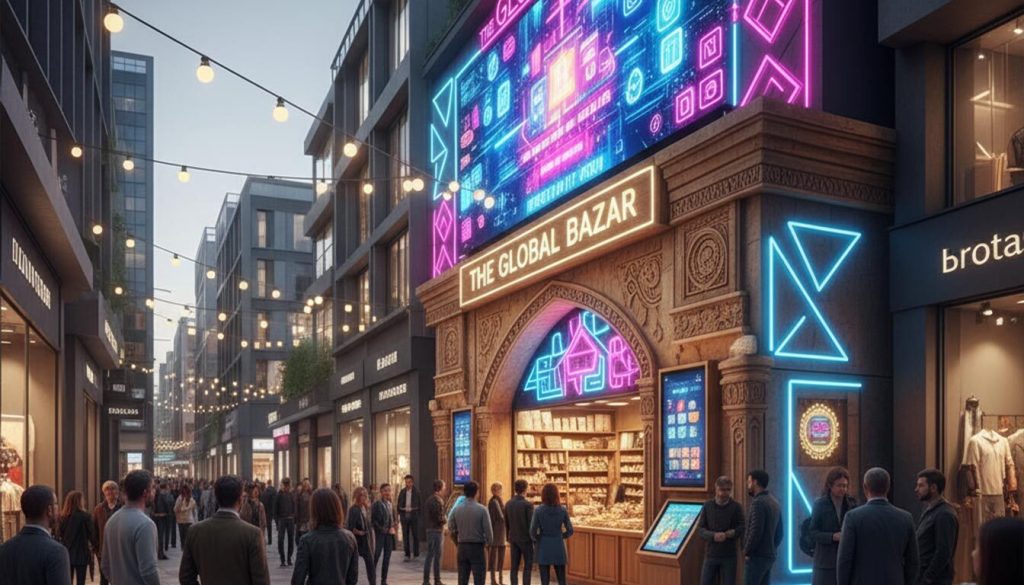
In today’s competitive business landscape, connection has become the cornerstone of branding success. Every company seeks not only to be recognised but to be remembered — and that’s where mixed material branding makes a remarkable difference. It goes beyond traditional print or digital campaigns, blending materials, finishes, and formats to craft experiences that speak to multiple senses.
Brands like Msigns are helping businesses move past one-dimensional marketing by merging creativity with craftsmanship — from layered signage and textured displays to hybrid brand environments that fuse digital and physical touchpoints.
The essence of mixed material branding lies in integration — uniting wood, metal, acrylic, LED, vinyl, and even digital media into a cohesive brand story. When done right, it bridges the emotional gap between business and audience, driving engagement, trust, and recall.
What Is Mixed Material Branding?
Mixed material branding is a modern design and communication approach that blends various physical and digital materials to form a unified brand expression. Rather than relying on a single medium — such as printed graphics or digital advertising — it fuses textures, finishes, structures, and technologies to deliver a multidimensional brand presence.
Think of it as the intersection between creativity, craftsmanship, and sensory engagement. From layered acrylic and brushed metal signage to wood-textured panels and digital light displays, mixed material branding ensures every brand touchpoint is visually distinctive and experientially rich.
A Sensory Branding Evolution
Traditional branding focused on logos, colour palettes, and fonts — visual consistency across platforms. However, as audiences evolved, their expectations grew beyond mere visuals. They now seek experiences that involve touch, sight, and even emotion. This is where mixed material branding changes the game.
By combining different materials and finishes, brands can create:
- Depth and contrast: Acrylic with wood or metal gives a premium yet approachable appearance.
- Illumination and focus: LED or neon integrations make brand signage more dynamic and noticeable.
- Texture and emotion: Materials like leather, glass, or reclaimed wood add personality and story to the brand identity.
Why Businesses Are Turning to Mixed Material Branding
Modern businesses understand that differentiation is no longer about being louder — it’s about being memorable. A cohesive brand strategy that engages multiple senses is far more effective in leaving a lasting impression.
Whether it’s a retail store, corporate office, or restaurant, mixed material branding aligns every element of design with the company’s values and visual personality. It doesn’t just display a logo; it reflects brand identity in a tangible, interactive way.
The Importance of Brand Connection in Today’s Market
In today’s market, brands no longer compete solely on product quality or price — they compete on connection. The most successful businesses are those that can connect emotionally with their customers, creating familiarity, trust, and loyalty that go beyond transactions.
Mixed material branding plays a crucial role in this transformation. It transforms a brand from being seen into being experienced. Every visual and tactile cue — from signage materials to textures and lighting — influences how customers perceive your brand and how they emotionally respond to it.
Emotional Resonance Through Design
Customers form subconscious opinions within seconds of encountering a brand. The textures, materials, and finishes used in branding environments can evoke warmth, luxury, sustainability, or innovation.
For instance:
- Wood and natural materials communicate eco-friendliness and authenticity.
- Metallic finishes suggest modernity, strength, and precision.
- Soft textures and layered surfaces indicate approachability and care.
By using mixed material branding, businesses can align these sensory signals with their brand story, creating environments that feel right to their target audience.
Beyond Recognition — Towards Relationship
Brand connection extends far beyond recognition. It’s about nurturing ongoing engagement. When customers encounter a cohesive brand identity across multiple mediums — signage, displays, digital screens, packaging, and décor — it strengthens recall and builds credibility.
This consistency is the foundation of trust. Customers feel they’re engaging with a brand that pays attention to detail and delivers quality, not only in its products but also in its presentation. Mixed material branding ensures that consistency flows across all customer touchpoints, both online and offline.
From Awareness to Advocacy
A connected customer isn’t just a buyer — they become a brand advocate. When people resonate with how a brand presents itself visually and physically, they are more likely to share that experience with others. The immersive quality of mixed material branding fosters that sense of belonging and community.
How Mixed Material Branding Works: The Strategy Behind the Design
While mixed material branding might appear purely aesthetic at first glance, it is actually a strategic design approach. It involves a deliberate fusion of materials, colours, textures, and lighting to communicate a brand’s personality while enhancing customer engagement.
Each element is selected and combined not for decoration, but to serve a specific purpose in reinforcing the brand’s message, positioning, and values.
1. Understanding Brand Identity
Every successful mixed material branding project starts with a clear understanding of the brand’s identity. What are its values, tone, and aspirations? A brand that positions itself as sustainable might integrate reclaimed wood, organic textures, and neutral colours. In contrast, a tech-driven brand may prefer metallic finishes, glass panels, and illuminated signage to reflect innovation and modernity.
The process begins with a brand audit, which analyses:
- Visual identity (logos, typography, and colour scheme)
- Brand tone (professional, creative, luxury, approachable)
- Customer expectations and sensory preferences
This groundwork ensures that material choices aren’t random — they’re symbolic extensions of the brand.
2. Material Selection and Experimentation
The heart of mixed material branding lies in material diversity. Acrylics, aluminium, vinyl, timber, glass, and LED elements each bring their own tactile and visual qualities. When layered, cut, and combined, they create depth and storytelling opportunities.
For example:
- Metal and wood can merge tradition with modernity, perfect for heritage brands seeking relevance.
- Acrylic and LED produce sleek, futuristic visuals ideal for technology and retail sectors.
- Textured vinyl and fabric soften spaces, providing warmth for hospitality or wellness brands.
At Msigns, this phase is guided by practical expertise — ensuring every material combination not only looks exceptional but also remains durable and cost-effective.
3. Design Integration Across Touchpoints
Mixed material branding doesn’t exist in isolation. Its success depends on consistency across every customer interaction point — from storefront signage to interior wall features, promotional displays, and event installations.
When design consistency is achieved, it strengthens brand recognition. The customer walking past your office or store immediately senses the brand’s personality through textures, light reflections, and finishes. It’s a form of visual storytelling that’s both subtle and powerful.
4. Technology as a Complement
Digital elements play a growing role in mixed material branding. LED screens, motion lighting, and projection mapping bring interactivity and adaptability. These elements allow brands to update messages dynamically while maintaining the tactile authenticity of physical materials.
For instance, a retail brand can blend a wooden wall feature with a digital display seamlessly — merging the natural with the technological. This creates a sensory balance that attracts attention and enhances dwell time.
5. Implementation and Maintenance
Strategic planning also includes the practicality of production and maintenance. Msigns ensures that mixed material branding designs are crafted with long-term durability in mind. Using UV-resistant coatings, weatherproof finishes, and precision-cut materials ensures brand visuals remain sharp and consistent over time.
Practical Applications of Mixed Material Branding Across Industries
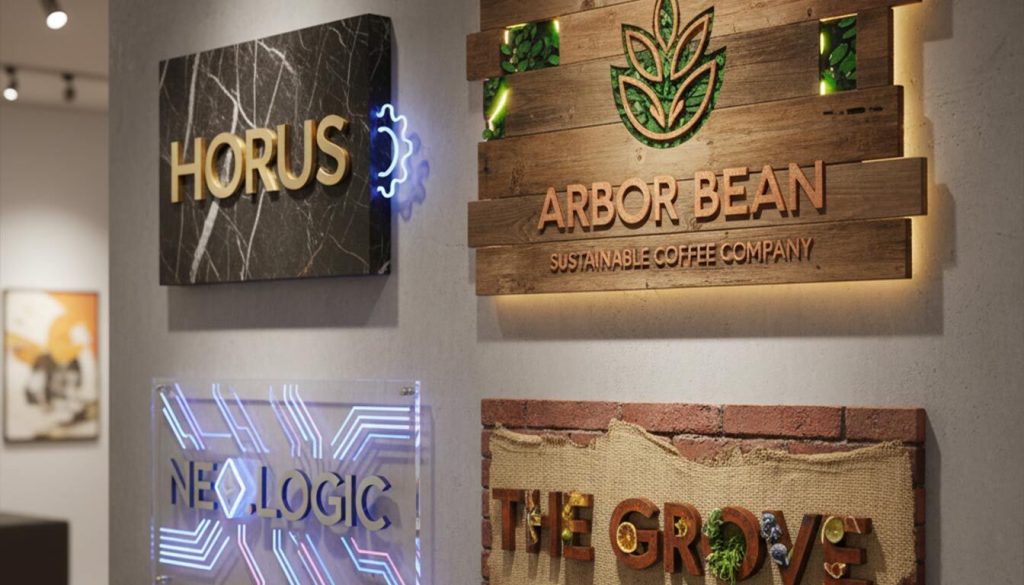
The true strength of mixed material branding lies in its versatility. No two industries express their identities in the same way — and this approach adapts beautifully to each brand’s specific tone, audience, and environment. From luxury retail boutiques to tech-driven workspaces and hospitality settings, mixed material branding delivers immersive and cohesive experiences that elevate perception and engagement.
Below are several key sectors where the impact of mixed material branding is most profound.
Design Principles for Effective Mixed Material Branding
Behind every successful mixed material branding project lies a strong foundation of design principles that ensure both aesthetic appeal and strategic alignment. A brand’s visual language must communicate purpose — not just beauty. Whether the application is a storefront, a corporate office, or an event display, these principles guide the process of translating identity into material form.
Below are the most critical design fundamentals to consider when developing a cohesive and memorable mixed material branding strategy.
Consistency Across Materials and Mediums
The first rule of mixed material branding is maintaining visual and thematic consistency. While the use of multiple materials allows for creativity, it must never compromise brand coherence.
For instance, combining wood, acrylic, and metal can look striking — but the colour palette, typography, and finish should still align with the brand’s visual identity. Consistency reinforces brand recall and ensures that every touchpoint — whether signage, interior décor, or marketing display — feels part of the same narrative.
When consistency is maintained across textures, shapes, and finishes, customers perceive the brand as professional and trustworthy.
Balance Between Contrast and Harmony
Effective mixed material branding is a balancing act between contrast and harmony. Using too many materials can create visual clutter, while too little contrast can make the design feel flat.
The goal is to achieve deliberate contrast — where materials complement one another rather than compete. For example:
- Pairing warm woods with cool metals to balance tradition and innovation.
- Combining matte and gloss finishes for depth.
- Introducing transparent acrylic alongside solid textures to create visual layering.
This thoughtful balance captures attention and enhances the sensory experience without overwhelming the viewer.
Functional Design and User Interaction
Brand design is not just about aesthetics — it’s about usability. When developing mixed material branding, each element must serve a clear purpose.
For instance:
- Signage should be legible under various lighting conditions.
- Display materials should be durable and easy to maintain.
- Textures and finishes must align with how customers interact with the space.
A well-designed sign or branded structure doesn’t only look good; it also functions intuitively. By prioritising clarity and practicality, brands ensure that form and function work hand in hand.
Emotional Alignment with Brand Personality
Every material tells a story — and the story should align emotionally with the brand. A mismatch between material and brand tone can cause confusion or disconnect.
For example:
- A luxury spa using stainless steel finishes might feel cold and impersonal.
- A tech start-up relying solely on rustic wood might appear outdated.
Through mixed material branding, businesses can intentionally select textures and finishes that evoke the right emotional response — calm, excitement, confidence, or creativity. This emotional coherence deepens connection and strengthens customer loyalty.
Lighting and Spatial Awareness
Lighting is an often-overlooked yet essential part of mixed material branding. It defines mood, directs attention, and enhances material contrasts.
The interplay between natural and artificial light affects how materials appear throughout the day. For example, backlit acrylic logos, illuminated edge letters, and spotlighted metallic panels all add dimension and drama.
Proper lighting design ensures that materials not only look good in static conditions but remain effective in real-world environments — bright showrooms, ambient cafés, or outdoor spaces.
Sustainability and Longevity
Modern customers are increasingly drawn to sustainable brands. Incorporating eco-conscious materials and processes into mixed material branding can amplify a company’s credibility and appeal.
Using recycled metals, FSC-certified wood, low-energy lighting, and biodegradable adhesives reflects responsibility while maintaining quality. Moreover, investing in durable materials ensures longevity, reducing waste and maintenance costs in the long term.
This principle aligns environmental awareness with aesthetic excellence — two elements that modern consumers value deeply.
Adaptability and Scalability
As businesses grow, their branding must evolve. The best mixed material branding systems are scalable — adaptable to new spaces, product lines, and marketing contexts.
A modular design approach allows signage or displays to be easily reconfigured or expanded. For instance, a retail chain could replicate its signature material combinations across multiple locations while tailoring finishes to local architecture or culture.
This adaptability preserves brand integrity while accommodating growth and innovation.
Collaboration Between Designers and Fabricators
Finally, effective mixed material branding depends on strong collaboration between creative designers and skilled fabricators. The process requires technical understanding — how materials behave, how they’re joined, and how lighting interacts with textures.
Brands like Msigns thrive in this collaborative environment, translating design visions into tangible realities. The partnership between creative direction and production expertise ensures that every installation meets both aesthetic and structural standards.
Retail Branding: Creating Immersive Shopping Experiences
In the retail industry, customer experience is everything. Shoppers no longer seek only products — they seek stories, emotions, and experiences. This makes mixed material branding an invaluable tool for creating memorable retail spaces.
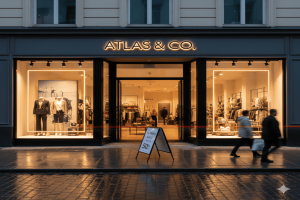
Retail brands can combine materials like acrylic, timber, brushed metal, and digital displays to form engaging visual narratives. For example, a sustainable clothing store might integrate reclaimed wood shelves, eco-friendly LED-lit signs, and soft fabric textures to communicate authenticity and environmental consciousness.
Luxury brands, on the other hand, often opt for metallic finishes, polished glass, and intricate layered signage to convey exclusivity and craftsmanship.
The result?
A retail environment that encourages exploration, engagement, and emotional connection — ultimately driving sales and repeat visits.
Hospitality and Leisure: Designing Ambience That Speaks
Hotels, restaurants, and cafés depend heavily on atmosphere. The first impression guests receive when they walk in often determines their overall experience. Through mixed material branding, hospitality venues can align physical aesthetics with brand character.
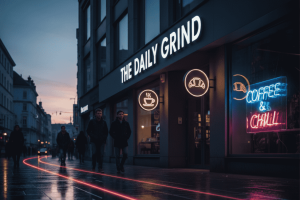
Imagine walking into a modern café where the signage combines neon, natural wood, and matte black acrylic. This creates a trendy yet inviting space. In contrast, a luxury hotel may use brass, glass, and textured stone to project elegance and refinement.
These combinations not only reflect the brand’s tone but also enhance the sensory experience — guests can feel the identity of the place through its surroundings.
When materials are selected thoughtfully, they transform interior and exterior spaces into silent brand ambassadors, reinforcing consistency and credibility.
Corporate Environments: Building Brand Integrity Within Workspaces
For corporate spaces, mixed material branding serves a dual purpose: internal branding and external impression. Office interiors, reception areas, and meeting rooms can incorporate mixed materials to showcase professionalism, innovation, and company culture.
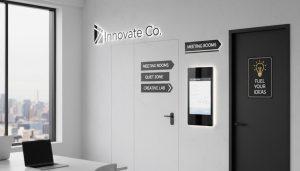
For instance, a tech firm might integrate metal and acrylic signage with LED backlighting to reflect precision and progressiveness. Meanwhile, a creative agency might combine exposed brick with layered wood and vinyl cut lettering to express authenticity and warmth.
When employees and clients enter a workspace that feels like the brand, it reinforces internal pride and external trust. The environment becomes a reflection of the company’s identity — consistent, confident, and credible.
Events and Exhibitions: Capturing Attention in Crowded Spaces
In exhibition halls and event venues, brands often compete for visual dominance. Static banners or simple graphics rarely make an impression. Mixed material branding offers a dynamic way to stand out — using layered textures, modular displays, and lighting effects to draw attention from every angle.
Exhibitors can combine PVC, LED lightboxes, aluminium frames, and printed vinyls to create immersive booths that both attract and engage. The tactile contrast between materials adds depth and intrigue, encouraging visitors to interact with the space and remember the brand long after the event ends.
Moreover, modular design allows these branded structures to be reused or adapted for future exhibitions, making them a cost-effective long-term investment.
Real Estate and Property Branding: Crafting Identity Through Space
In real estate, branding isn’t just about logos — it’s about how spaces feel. Mixed material branding helps developers, estate agents, and property managers communicate value and professionalism through their built environments.
For example, apartment showrooms may use a combination of wood veneer signage, stainless steel lettering, and integrated LED displays to communicate sophistication. Sales offices can mirror this design language, ensuring continuity between brand identity and physical experience.
When buyers or tenants encounter this visual and tactile consistency, it fosters trust — signalling reliability and quality before a single conversation takes place.
Educational and Institutional Branding: Inspiring Through Design
Educational institutions and public spaces are also embracing mixed material branding to create inspiring and engaging environments.
Universities, schools, and libraries use layered signage, glass etching, wall graphics, and tactile installations to make spaces feel more human, inviting, and aligned with their missions. These branding elements reinforce institutional pride and inspire both visitors and students.
When applied strategically, mixed material branding in such spaces contributes to a sense of belonging and identity — key components of modern educational environments.
Automotive and Industrial Branding: Precision Meets Power
In industrial and automotive sectors, strength and precision are key brand attributes. Mixed material branding allows companies to express these characteristics through robust materials such as aluminium, stainless steel, carbon fibre, and illuminated acrylic.
Dealerships, for instance, often use layered metallic signage with LED accents to highlight brand prestige and performance. Similarly, manufacturing facilities can enhance professionalism through durable signage that integrates textured materials, reflecting both technical capability and brand heritage.
Such environments communicate authority and reliability — essential traits in these industries.
The Role of Mixed Material Branding in Digital Integration and Modern Marketing
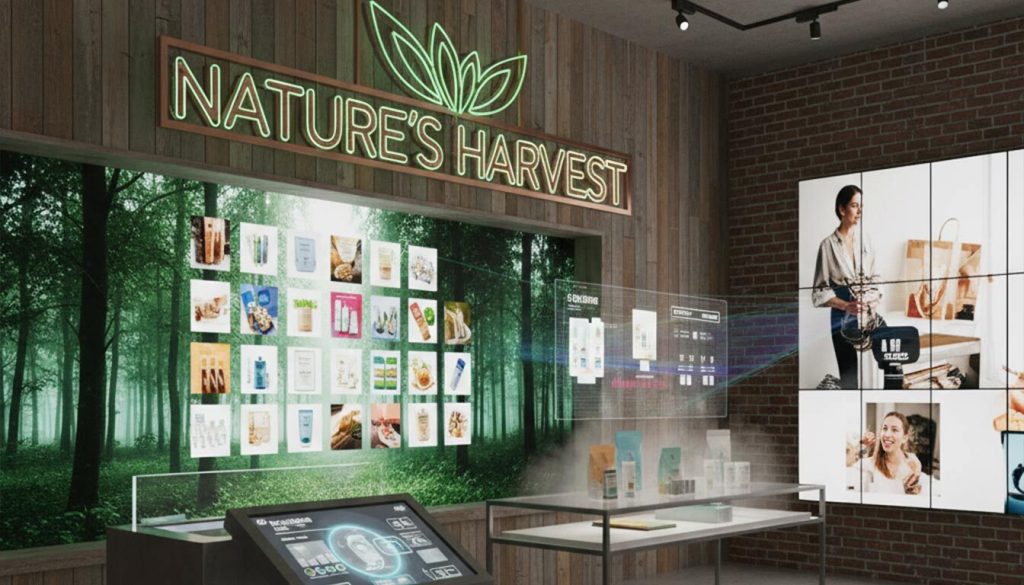
The boundaries between the physical and digital worlds are rapidly dissolving. Customers today move seamlessly between online interactions and in-person experiences, expecting consistency and authenticity across all touchpoints. Mixed material branding plays a critical role in bridging this gap — uniting tangible design with digital engagement to form a complete, connected brand ecosystem.
By combining physical craftsmanship with digital innovation, businesses can craft experiences that resonate both in-store and online. Let’s explore how this integration works and why it’s vital for modern marketing success.
1. Bridging Physical and Digital Experiences
In the past, branding efforts were split between physical installations — such as signage, displays, and interiors — and digital channels like websites, social media, and online advertising. Today, these worlds no longer operate in isolation.
Mixed material branding provides the missing link between the two. When a brand’s physical identity mirrors its digital aesthetic, customers experience continuity. The materials, textures, and lighting seen in a physical space reflect the design tone of online visuals — creating a unified perception.
For example:
- A brand using sleek metallic finishes in its signage might reflect the same silver gradients and minimalist typography in its website design.
- A boutique showcasing natural wood and warm lighting might use similar earthy tones and textures in its social media imagery.
This consistency reinforces recognition and trust, making the brand feel cohesive regardless of where it’s encountered.
2. Enhancing Digital Campaigns Through Physical Authenticity
While digital marketing reaches vast audiences, physical branding offers tangible credibility. Consumers often trust brands more when they see and experience them in the real world.
When online campaigns showcase mixed material branding installations — such as distinctive shopfronts, custom signage, or interior displays — it elevates authenticity and memorability. High-quality photography or videography of these installations can enhance website visuals, social media content, and paid advertisements, turning physical design into digital storytelling material.
This synergy allows brands to amplify online engagement using real-world assets that represent quality and craftsmanship.
3. Incorporating Technology into Branded Environments
Digital integration doesn’t stop at aesthetics. Advanced technologies are now embedded within mixed material branding to create interactive, data-driven experiences.
Examples include:
- LED touch displays that showcase dynamic brand messages.
- QR-coded installations that link physical signage to digital content or offers.
- Projection mapping and motion-responsive lighting to create immersive brand atmospheres.
By merging tangible materials with digital interactivity, brands can transform static environments into living communication tools. Customers not only see the brand but also engage with it — making the experience memorable and measurable.
4. Social Media Amplification
Modern audiences love to share visually striking environments. A well-executed mixed material branding installation naturally encourages social sharing.
Whether it’s a neon-lit wall, a layered logo sign, or an innovative use of reflective materials, people are drawn to take photos and tag the brand. This user-generated content extends reach organically, acting as social proof while reinforcing brand visibility across platforms like Instagram, LinkedIn, and Pinterest.
For businesses, this creates a feedback loop — physical design fuels digital engagement, and online buzz brings more foot traffic back to physical locations.
5. Consistency in Omnichannel Marketing
Brands that achieve alignment between physical design and digital marketing establish stronger customer relationships. Mixed material branding ensures that the same tone and visual character carry through every channel — from packaging and signage to web banners and video content.
This omnichannel consistency builds familiarity, which translates into trust and preference. Customers feel reassured when the brand they interact with online is reflected authentically in person.
It’s this seamless brand narrative that turns a first-time visitor into a long-term advocate.
6. Data-Driven Design Feedback
The integration of technology within mixed material branding also enables valuable data collection. For example, interactive digital displays can track engagement levels, dwell times, and popular content segments.
Analysing this data helps brands refine their physical environments and marketing strategies simultaneously. A company might learn that customers engage longer with illuminated sections or certain colour tones — insights that can inform both future branding installations and online creative direction.
The outcome is a feedback-driven brand evolution powered by both sensory design and analytics.
7. Strengthening Brand Storytelling
Every brand has a story — and stories are most powerful when told across multiple dimensions. Mixed material branding brings these narratives to life through textures, light, form, and technology.
A sustainable brand might use reclaimed wood, earthy tones, and soft lighting to visualise its eco-friendly mission. A forward-thinking tech brand could integrate metallic finishes, interactive screens, and dynamic lighting to express innovation.
When combined with digital storytelling — blogs, video campaigns, and social media narratives — these tangible environments become living embodiments of the brand’s core message.
Shaping the Future of Brand Experience with Mixed Material Branding
In a world where customers expect more than visuals — they expect experiences — mixed material branding has emerged as one of the most powerful tools for modern businesses. It goes far beyond aesthetics; it’s a strategic blend of creativity, craftsmanship, and psychology that transforms ordinary spaces into meaningful brand environments.
By integrating diverse materials such as wood, metal, acrylic, glass, and lighting, brands can tell stories that resonate with emotion and authenticity. This tactile approach connects digital precision with human touch — a balance that few branding strategies achieve so effectively.
When thoughtfully implemented, mixed material branding strengthens customer trust, enhances recognition, and drives engagement across both physical and digital touchpoints. It invites people to feel the brand, not just see it — making every interaction memorable and emotionally anchored.
For businesses aiming to stay ahead, this approach is more than a design choice; it’s a long-term investment in identity and connection. From retail showrooms and corporate offices to hospitality spaces and event installations, mixed materials allow brands to evolve with innovation while staying rooted in authenticity.
At Msigns, we believe in transforming creative concepts into tangible, lasting experiences. Our expertise in designing and fabricating mixed material branding solutions ensures that every project is unique, impactful, and aligned with your brand’s vision.
If your goal is to connect with customers in new, meaningful ways — through creativity, texture, and precision — then it’s time to explore the world of mixed material branding.
Start Your Branding Transformation with Msigns
At Msigns, we don’t just create visuals — we craft experiences that leave lasting impressions. Our expert team specialises in mixed material branding, blending art, technology, and engineering to help businesses communicate their story in bold and innovative ways.
Whether you’re refreshing your brand identity, opening a new retail space, or redefining your customer journey, our customised branding solutions ensure your environment becomes an authentic reflection of who you are.
Let’s bring your vision to life through the perfect mix of materials, creativity, and craftsmanship.
Get in touch with Msigns today to discover how mixed material branding can help your business connect with customers in new and unforgettable ways.